
The Negative Effect of Unusable Vehicles on Inventory
For car dealers, managing inventory is crucial to maintaining a profitable business. The presence of old or non-functional vehicles can significantly impact the overall value of their inventory. These cars often take up space that could otherwise be filled with newer, more appealing models. Understanding how these unusable vehicles affect dealership operations and bottom lines is vital for efficient inventory management.
Effect on Space Utilization
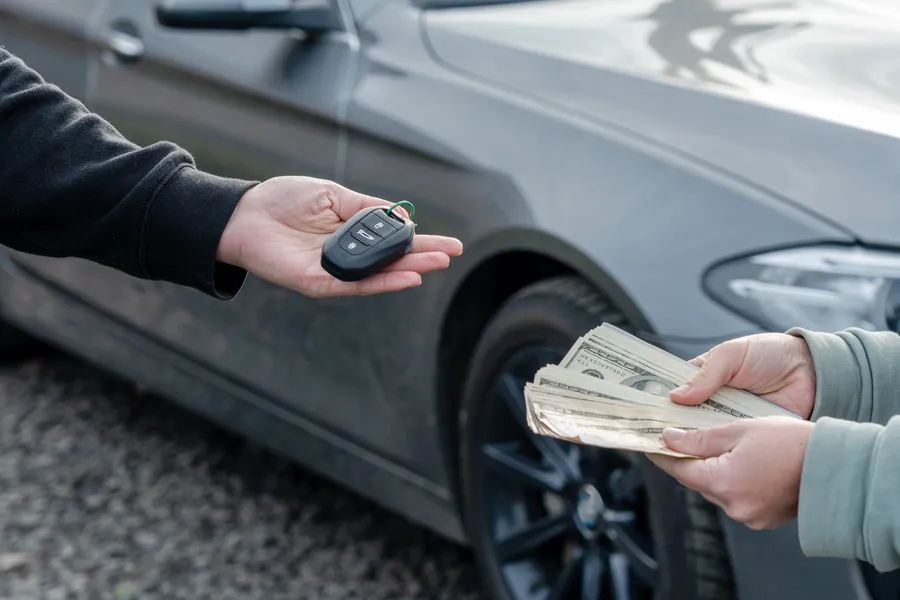
One major issue with keeping junk cars in dealer lots is the waste of valuable space. A lot filled with unusable cars reduces the room available for new acquisitions that might attract buyers. This situation not only limits display potential but also curtails a dealer’s ability to showcase a varied selection of vehicles.
Financial Implications
Junk cars can have financial ramifications for dealerships. These cars generally require upkeep without generating any revenue. Costs related to storing, maintaining, and eventually disposing of them add up quickly. Dealers must consider these costs when evaluating their inventory strategy. Allocating resources to manage this burden detracts from investments in more profitable areas.
Impact on Brand Image
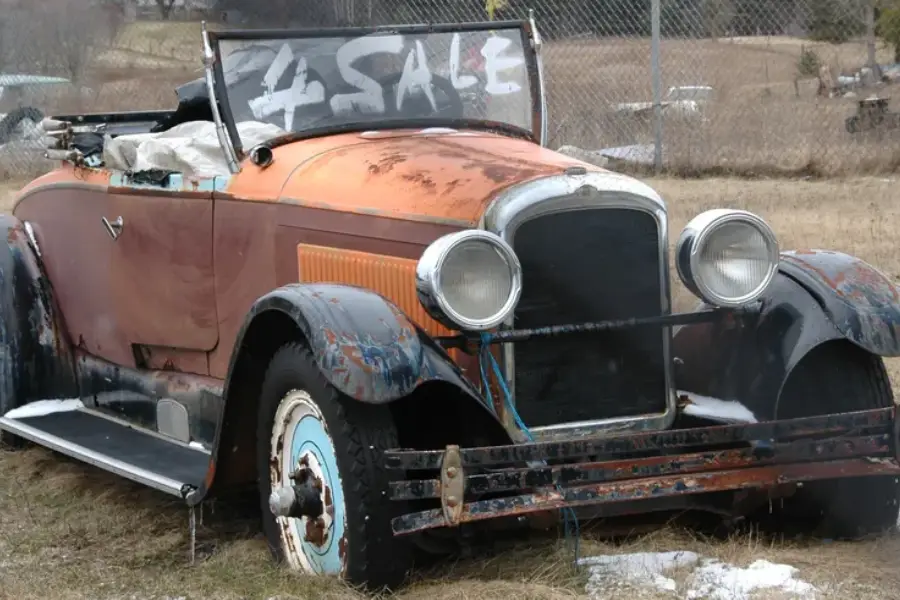
The presence of unusable vehicles could tarnish a dealership’s brand image. Customers visiting a lot cluttered with outdated or damaged cars may question the quality and reliability of the dealership’s offerings. Perception matters in sales, and these vehicles could negatively influence customer opinions before they even step foot into the showroom.
Reducing Risks Associated With Outdated Vehicles
Dealers face various risks when retaining outdated vehicles, from decreased appeal to increased maintenance costs. Minimizing such risks involves ensuring that the majority of displayed inventory aligns with current market demands. By prioritizing newer models over junk cars, dealers can mitigate these challenges effectively.
Strategies for Maximizing Inventory Value
To enhance inventory value, dealers should focus on regularly assessing vehicle condition and market trends. Implementing strategies like trade-in programs or partnerships with salvage companies can help dispose of unsellable stock efficiently. Ensuring that inventory updates reflect current consumer preferences will improve turnover rates and profitability.
- Conduct regular assessments of vehicle conditions
- Engage in trade-in initiatives for outdated stock
- Partner with salvage companies for efficient disposal
- Align inventory with current market trends
The Role of Market Trends in Inventory Decisions
Understanding market trends plays a significant role in making informed inventory decisions. Dealers who stay updated on what models are in demand can adjust their stock accordingly, reducing the risk associated with holding onto unwanted vehicles. Continual monitoring ensures that inventory remains competitive and attractive to potential buyers.
Boosting Sales Through Strategic Inventory Management
A well-managed inventory not only boosts sales but also enhances customer satisfaction. By focusing on stocking desirable models while avoiding an accumulation of unusable cars, dealers can maintain a dynamic selection that meets diverse consumer needs. Prioritizing high-demand vehicles increases the likelihood of faster sales cycles and higher profit margins.
Your Path to Efficient Inventory Management Starts Here
Effective inventory management begins with eliminating unnecessary burdens caused by outdated stock. For those in Ballwin, MO looking to optimize their inventory approach, FMB Fenton Cars Buyers offers expert guidance tailored to your needs. Call me at (636) 275-7997 to explore customized solutions designed for better business outcomes.