
Understanding the Dealer Assessment Process for Junkyard Vehicles
The process of evaluating cars purchased from junkyards is crucial for dealers aiming to make profitable decisions. Evaluating these vehicles involves a thorough inspection to determine their condition, value, and potential resale opportunities. In this article, we explore how dealers assess such cars, focusing on key aspects like vehicle history, physical condition, and market trends. This comprehensive evaluation helps them decide which vehicles are worth purchasing and reselling, ensuring they meet customer needs while maximizing profits.
Initial Vehicle Inspection
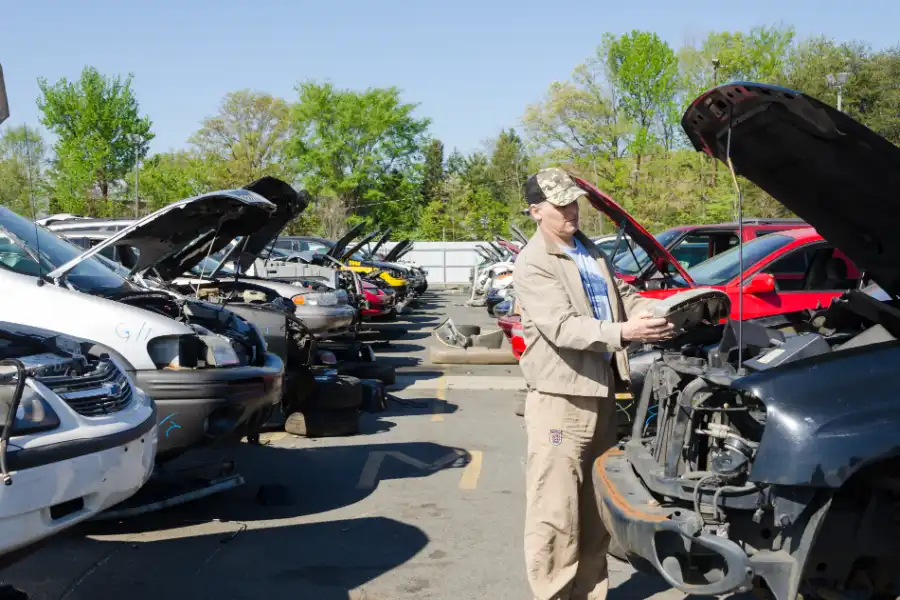
When a dealer first acquires a vehicle from a car junkyard, they begin with an initial inspection. This step involves checking for any visible damage or missing parts. It provides a quick overview of the car’s condition and helps identify immediate repair needs. Inspecting the exterior and interior can reveal signs of wear or previous accidents, setting the stage for further assessment.
Evaluating Mechanical Condition
The mechanical state of a vehicle from a car junkyard is another critical factor in its evaluation. Dealers often employ skilled mechanics to check the engine, transmission, brakes, and suspension systems. A detailed mechanical inspection can uncover hidden issues that might affect the vehicle’s performance and reliability. By identifying these problems early, dealers can estimate repair costs and make informed decisions about resale viability.
Checking Vehicle History Reports
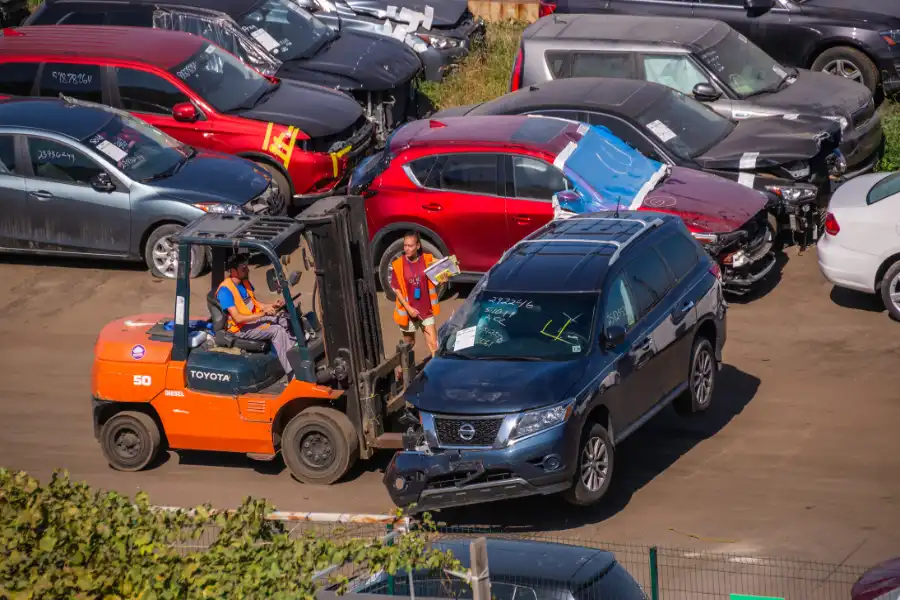
Another essential part of the evaluation process is reviewing the vehicle’s history report. These reports provide information about past ownership, accident history, and service records. For dealers, understanding a car’s history helps predict future maintenance needs and potential resale challenges. Accessing comprehensive history reports ensures that all factors affecting the vehicle’s value are considered before purchase.
Assessing Market Demand and Trends
Dealers also evaluate cars based on current market demand and industry trends. They analyze which models are popular among buyers and consider how much similar vehicles are selling for in the area. Understanding market dynamics allows dealers to price vehicles competitively and choose inventory likely to sell quickly. Staying informed about trends helps maximize sales opportunities.
Cost Estimation for Repairs and Maintenance
Repair and maintenance costs are significant considerations when evaluating junkyard cars. Dealers must calculate potential expenses involved in getting a vehicle ready for sale. Knowing these costs upfront aids in determining whether investing in repairs will yield a worthwhile return. Balancing anticipated repair costs against expected resale value is vital for strategic purchasing decisions.
- Estimate labor and parts costs for repairs
- Consider availability of replacement components
- Evaluate potential increase in vehicle value post-repair
Legal Compliance and Safety Standards
Vehicles bought from junkyards must comply with legal and safety standards before being offered for resale. Dealers ensure that each car meets emission regulations, passes safety inspections, and has valid documentation. Adhering to these standards protects customers and enhances the dealership’s reputation. Complying with regulations also minimizes legal risks associated with selling unfit vehicles.
- Verify emissions compliance
- Complete necessary safety checks
- Ensure proper documentation is in place
Final Thoughts on Buying From Junkyards
Your interest in sourcing reliable vehicles can benefit from understanding dealer evaluations. With knowledge of inspection processes and market analysis, you can make smarter purchasing choices. Located in Ballwin, MO, I offer guidance tailored to your needs at FMB Fenton Cars Buyers. Reach out at (636) 275-7997 to learn more about optimizing your buying strategy.