
Understanding the Trade-In Valuation Process
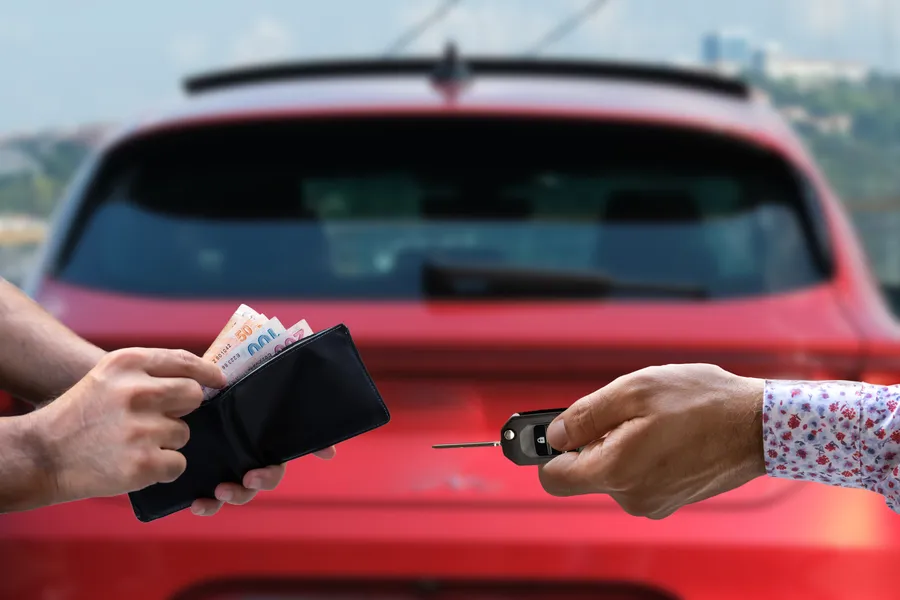
When you decide to trade in your car at a dealership, understanding how dealers assess its value is crucial. This process not only determines the offer you receive but also affects your next vehicle’s financial terms. Dealers use various factors to evaluate a vehicle’s worth, including its condition, market demand, and more. Knowing these factors helps you prepare and potentially maximize your trade-in value.
Assessing Vehicle Condition
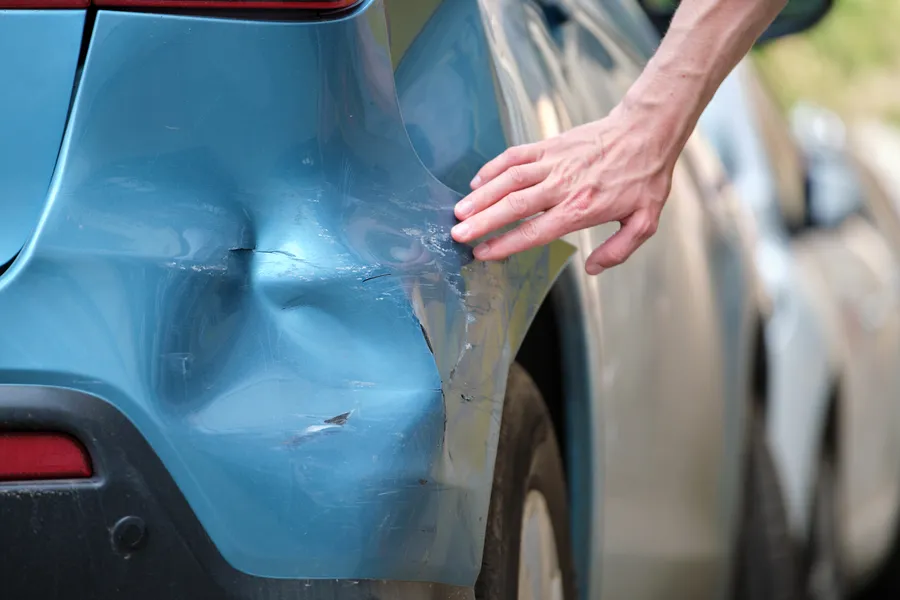
One of the first things dealers look at is the physical condition of the car. They inspect both the interior and exterior, checking for any signs of damage or wear. Factors like dents, scratches, and upholstery condition significantly impact the valuation. For junk cars, this step often reveals the extent of any repairs needed before resale or salvage.
Evaluating Mileage Impact
Mileage plays a critical role in a car’s evaluation. Generally, higher mileage can decrease a vehicle’s value as it indicates more wear and tear. However, dealerships might still find value in junk cars if they believe parts can be salvaged or if the vehicle has rare features that are in demand.
Checking Mechanical Health
The mechanical condition is another key factor. Dealerships will test drive the car to listen for unusual noises and ensure everything runs smoothly. Any issues found during this test can lead to deductions from the overall trade-in offer. Even for junk cars, some functional components may still hold value.
Analyzing Market Demand
Dealers must consider current market trends when evaluating vehicles. If there is high demand for specific models or makes, even older ones might fetch better offers. Conversely, cars that are less popular or have fewer potential buyers might see lower valuations.
Understanding Pricing Tools Used by Dealers
Car dealers often rely on industry-standard pricing tools like Kelley Blue Book or NADA Guides to estimate a car’s value. These resources provide a baseline but do not account for unique aspects of each vehicle. Therefore, while these guides offer a starting point, real-time market conditions and individual car assessments ultimately determine the final offer.
Negotiation Strategies for Better Offers
If you’re looking to get the best deal during a trade-in, preparation is vital. Start by researching your car’s estimated value using online tools. Fix minor damages if possible and gather all maintenance records to show that you’ve kept the car in good shape. Approaching the negotiation with this information can help leverage a better offer from the dealer.
- Research your car’s estimated value beforehand
- Fix minor cosmetic issues
- Present complete maintenance records
The Role of Salvage Value
For cars deemed beyond repair, their salvage value becomes significant. Salvage value refers to the estimated worth of a vehicle based on its remaining usable parts and scrap material. Dealerships often purchase such cars with the intent to dismantle them, either selling parts individually or recycling materials.
Final Recommendations for Trading in Your Car
To optimize your trade-in experience, be well-prepared and informed about your vehicle’s current standing and market conditions. With knowledge of how dealers evaluate cars, you can make strategic decisions that benefit you financially. Contact FMB Fenton Cars Buyers today at (636) 275-7997 for an expert appraisal of your vehicle. Located in Ballwin, MO, I am dedicated to providing transparent and fair evaluations.